
A temperature deviation of just a few degrees can be enough to compromise entire shipments. Here are the real costs—and why risk, accountability, and control in the cold chain have become business-critical.
In practice, such a deviation can mean that entire shipments must be discarded, distribution flows are halted, and products never reach the market. For companies in food and pharmaceuticals, maintaining an unbroken cold chain is therefore not just a matter of quality—it is a business-critical requirement.
Direct and indirect costs – more than just waste
The most visible consequence is product disposal. But the financial impact rarely stops there.
Direct costs:
– Spoiled goods
– Non-recoverable transport and handling costs
– Returns and replacement shipments
Indirect costs:
– Production losses and delays in the supply chain
– Administrative resources linked to deviations and claims handling
– Lost sales due to empty shelves or missed deliveries
For pharmaceutical companies, the consequences may also include regulatory risks and strict requirements for documentation and traceability.
Trust and brand – the hard-to-measure cost
Beyond direct losses, relationships with customers and end consumers are affected. In both grocery retail and pharmaceuticals, reliability is essential.
A single incident involving temperature deviations can have consequences far beyond the individual shipment. Trust is built over time—but can quickly erode when quality failures occur in the supply chain.
Where does the risk arise? A matter of structure, not individual mistakes
A broken cold chain is rarely the result of a single isolated error. More often, it reflects systemic weaknesses:
– Unclear allocation of responsibility between stakeholders
– Insufficient monitoring during transport and transshipment
– Fragmented systems lacking end-to-end data visibility
In complex logistics flows, risk increases at every handover. That makes control across the entire chain critical.
Operators working with integrated solutions—where temperature control, transport, and storage are seamlessly connected—are better positioned to minimize these risks.
Data and traceability enable proactive control
Traditionally, temperature control has been reactive, with deviations detected only after delivery is completed.
However, the industry is shifting toward real-time temperature monitoring, end-to-end digital traceability, and rapid identification of deviations with corrective actions.
This enables a proactive approach, where risks can be managed before they result in actual losses.
Sustainability
There is also a sustainability dimension. A broken cold chain does not only have financial consequences—it also contributes to:
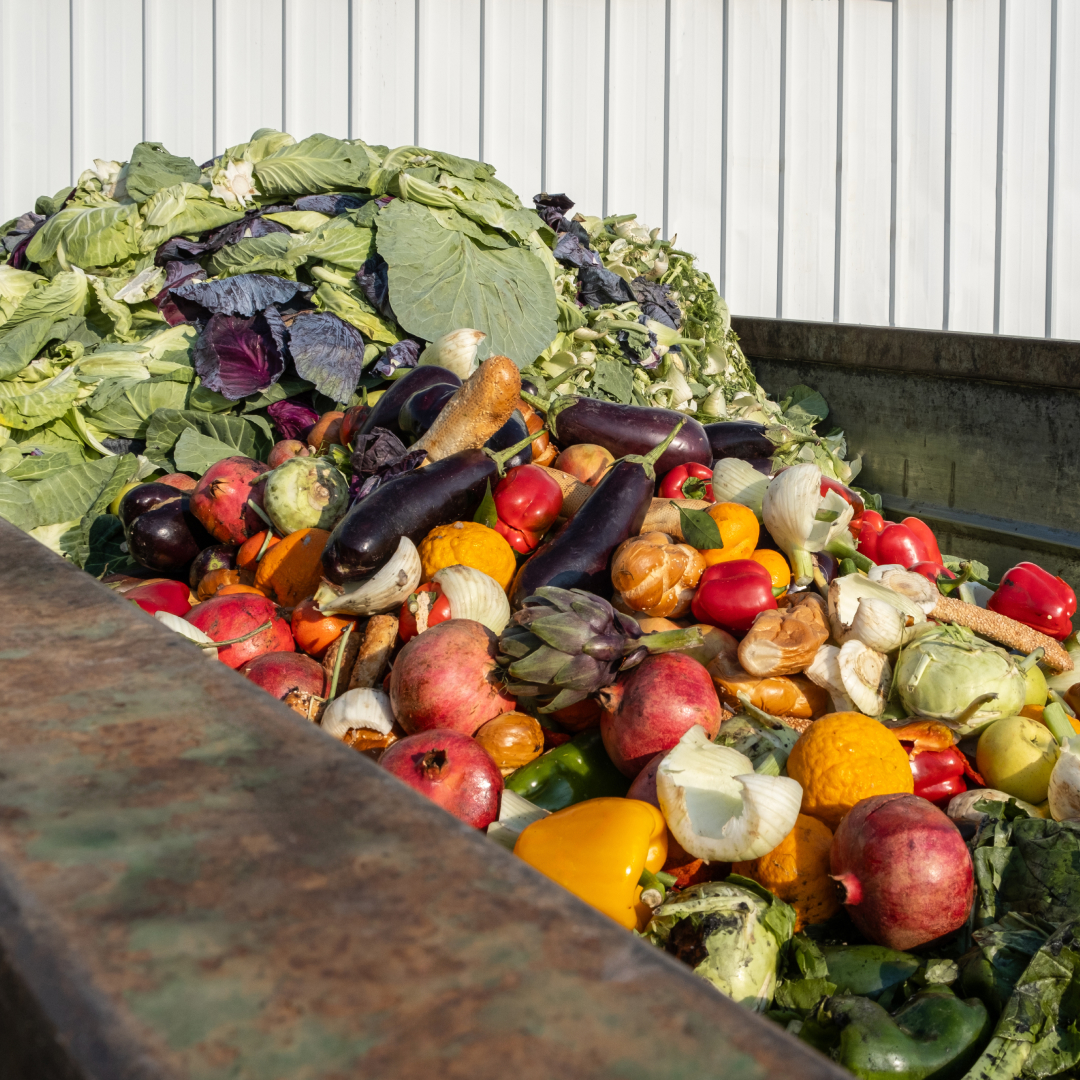
– Increased food waste
– Unnecessary transport, leading to higher carbon emissions
– Inefficient use of resources across the entire value chain
As sustainability requirements become more stringent, this is an increasingly important factor—particularly in reporting and performance tracking.
From cost focus to risk mitigation
Even when transport is outsourced, ultimate responsibility for product quality remains with the producer or goods owner.
This places high demands on the selection of logistics partners, clear quality processes, and—crucially—verified competence and certification.
In temperature-controlled logistics, transport is therefore increasingly treated as a value-critical part of the business, rather than a pure cost function.
In essence, the shift is from cost focus to risk management.
Breaking the cold chain is rarely an isolated event with a single cost. It is a risk that simultaneously impacts financial performance, sustainability, and brand reputation.
In an increasingly complex and demanding market, the real question is no longer what logistics costs—but what it protects.

Vasatorpsallén 64
253 54 Mörarp